


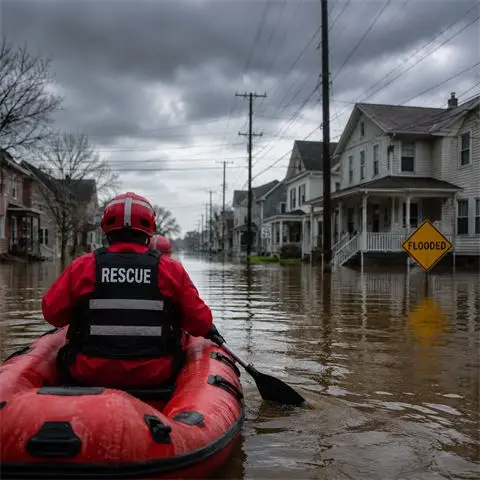
The Coastal Shield programme is, by budget, fourteen big structures and a thousand small ones. Here is how the $9bn divides — and which towns see diggers first.
The big four allocations
- Sea barriers — $4.1bn. Fourteen surge barriers, the largest at the Halvern estuary ($1.2bn alone), engineered to the one-in-two-hundred-year standard.
- River and valley works — $2.6bn. Sixty kilometres of reinforced embankment plus the lower Aldenne pumping network, where flood maps were redrawn this spring.
- Urban drainage — $1.4bn. Storm-water upgrades in eight cities, led by Meridale’s ageing eastern outfalls.
- Property-level protection — $0.9bn. Grants of up to $18,000 for flood doors, raised wiring and pump sumps in the highest-risk homes.
Who is first in line
Early works target the 41 districts scored highest in the spring risk ranking. The first ten include Brenn, Salt Harrow, the Velta canal mouth and three wards of eastern Meridale. Construction on the Velta barrier begins in spring 2027; completion is scheduled for 2029.
How it is paid for
A ring-fenced infrastructure bond issue covers roughly four-fifths of the cost, with the balance from port levies phased over eight years. Every contract above $25m faces a quarterly public audit — the opposition’s price for support.
The catch
Capacity. The Fiscal Council calls the construction sector “the binding constraint”: the programme needs around 11,000 additional workers at peak, in competition with a private building pipeline that has its own labour shortage. If wages inflate, the contingency reserve — $600m — will be tested early.