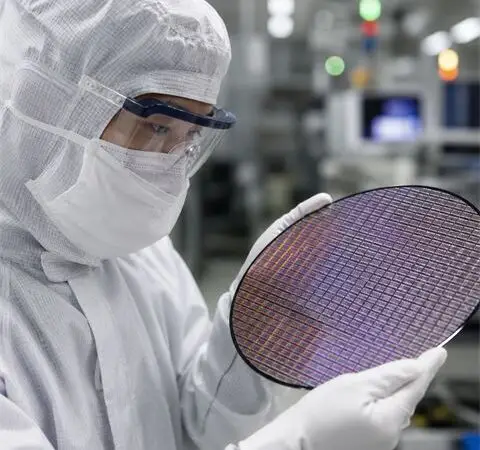


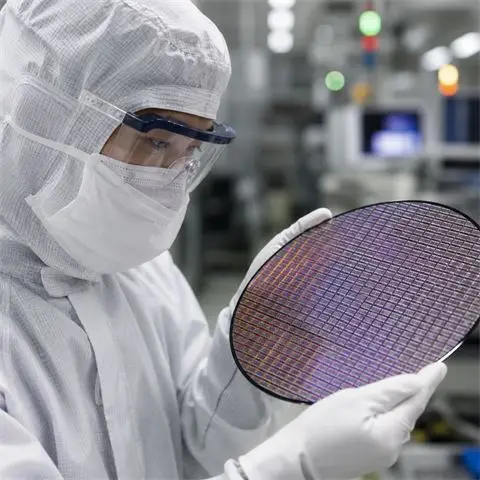
Vantor Semiconductors has begun volume production on its 2-nanometre line in Meridale, opening the most advanced chip fabrication hall outside the four major producing nations and confirming plans to hire 1,800 staff over two years.
The $5bn facility — five years in construction and co-funded by a $1.1bn state investment — will manufacture processors for automotive and networking customers, with two European vehicle platforms and a networking major contracted as anchor clients.
“Tonight the most advanced object ever manufactured in this country came off a line in Meridale,” chief executive Petra Illen told an opening ceremony attended by Prime Minister Elna Vosker. First-run yields, she said, are “ahead of internal plan” — the metric on which the venture’s economics turn.
The hiring programme spans 1,100 engineering and technician roles and 700 in operations, with a joint clean-room training academy opening at the University of Meridale in January. Average advertised salaries, at $68,000, run nearly double the regional median.
The plant anchors a widening local supply chain: three speciality-gas and materials suppliers have announced Meridale sites since January, and the government’s new research infrastructure bill explicitly cites the fab in its case for $1.2bn of university laboratory investment.
Industry analysts remain measured — the line must win merchant customers beyond its anchors, and cutting-edge yields are notoriously temperamental. But the strategic fact stands: the club of countries that can make 2-nanometre logic now has a new, unexpected member.